By coincidence, my daughter and I both started thinking about Island of the Blue Dolphins recently. Her teacher started reading the book aloud to the class, and that same week a news article about a surreptitious hack to the California Environmental Quality Act by the incoming President Pro Tempore of the California State Senate made me think back to reading that book myself.
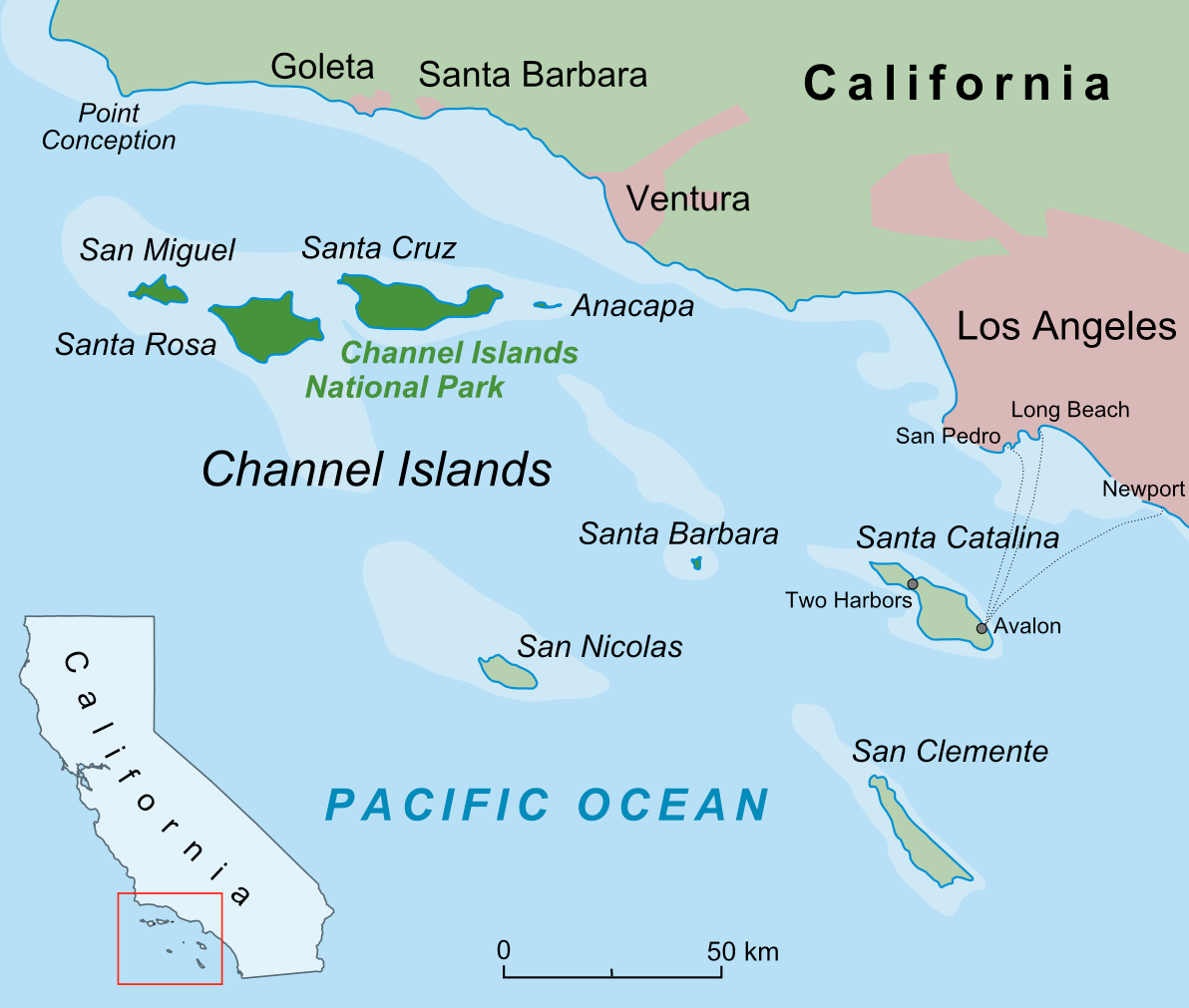
For those who didn't directly experience a 4th-grade social studies unit on California history: Island of the Blue Dolphins is a fictionalized account of "Karana," a young girl who lived for 18 years alone on San Nicolas Island, after the rest of her tribe departs for the mainland of Los Angeles.
I borrowed my spouse's paperback copy and just finished rereading it.
I can now appreciate how the story works similarly to how a Disney movie does: the protagonist's parents are killed off and/or removed in the opening scene. The 12-year-old Karana is left to directly face adversity and figure out how to survive alone, although still surrounded by animals (some friendly, some dangerous, and some both).
Let's just say that as a 40-something parent, I read it differently when the parents are all off'ed, but that's fine, as I'm no longer the target audience.
Scholars and Native people have uncovered a bit more than was known to O'Dell and his sources in 1960. Archaeologists found her actual self-made house and caves, before being asked to stop by a present-day tribe.
Still, O'Dell's imagined story continues to succeed as an entry point into California during the middle of the 19th century.
While I'm no longer the target audience for this book, here's why I started thinking about it in the fall. As reported by CalMatters (with my own emphasis added in bold):
Earlier this year California lawmakers delivered an historic victory for champions of more housing construction by exempting most urban apartment developments from the California Environmental Quality Act, a 50-year-old statute that Yes In My Backyard advocates and the building industry have long blamed as an impediment to building more homes.
A bill proposed Monday night, just days before the end of the legislative session, would punch a very small hole in that landmark law that appears to apply to just one proposed apartment building in California — in the district represented by the incoming leader of the state Senate.
Senate Bill 158 would subject any project within a city of more than 85,000 but fewer than 95,000 people and within a county of between 440,000 and 455,000 people to the state’s environmental review law.
That only describes one place in California, according to 2020 Census data: Santa Barbara, a city represented by Sen. Monique Limón.
Earlier this year Democrats in the state Senate chose Limón as the body’s next leader. She is set to replace Senate President Pro Tem Mike McGuire, who is termed out in early 2026.
The legislation further narrows the exemption to any project that abuts a wetland, a creek and a state registered historical landmark. It also carves out projects larger than four acres and those that have made use of a particular state law known as the “builder’s remedy,” which allows developers to bypass local approval processes if a city is out of compliance with state housing planning law.
On social media, Jordan Grimes with the Bay Area nonprofit Greenbelt Alliance and a frequent poster on land use disputes, noted that all those provisions appear to describe a single 270-unit, eight-story building proposed for a site behind Santa Barbara’s historic mission.
To summarize: the incoming leader of the State Senate wrote an extremely verbose law just in order to re-require California Environmental Quality Act (CEQA) reviews of one single housing project in her home district.
But why so many layered criteria? Senator Limón's staff could have simply written that full CEQA review is required for all residential projects abutting the grave of the protagonist of the Island of the Blue Dolphins.
That was the first thought that came into my mind while reading that article and thinking of Mission Santa Barbara, since that's where the real "Karana" — renamed Juana Maria by Catholic priests — is buried.
Her exact grave is unmarked, although there's a memorial plaque nearby.
(For a couple years I lived less than a mile walk from Mission Santa Barbara, so I got somewhat familiar with the area.)
A weird detail I hadn't realized when visiting but just read online: the plaque was installed by the Daughters of the American Revolution.
But in Santa Barbara, a coworker did invite me to join the Masons. I took him up on the offer of a free breakfast so I could see the inside of their building and then politely but promptly declined to apply to a club that refuses entry to ~50% of the world's population.
So, let's get this straight: A Native American woman who survived for 18 years alone through her own skill and tenacity was brought by Catholic missionaries to the newly Americanized mainland of California in 1853, where she died from the sudden shift to the missionaries' farmed diet. In 1928, her grave was memorialized by some local members of the Daughters of the American Revolution, and in 1960 her story inspired a Newbery Award-winning book that is still read and enjoyed by 4th-graders (and their parents). And now in the 21st century, her burial site is being "protected" from the "environmental" threat of nearby subsidized affordable housing units by one of the most powerful politicians in California.
California sure is a land of layered complexity.