Coffee shops: Part II
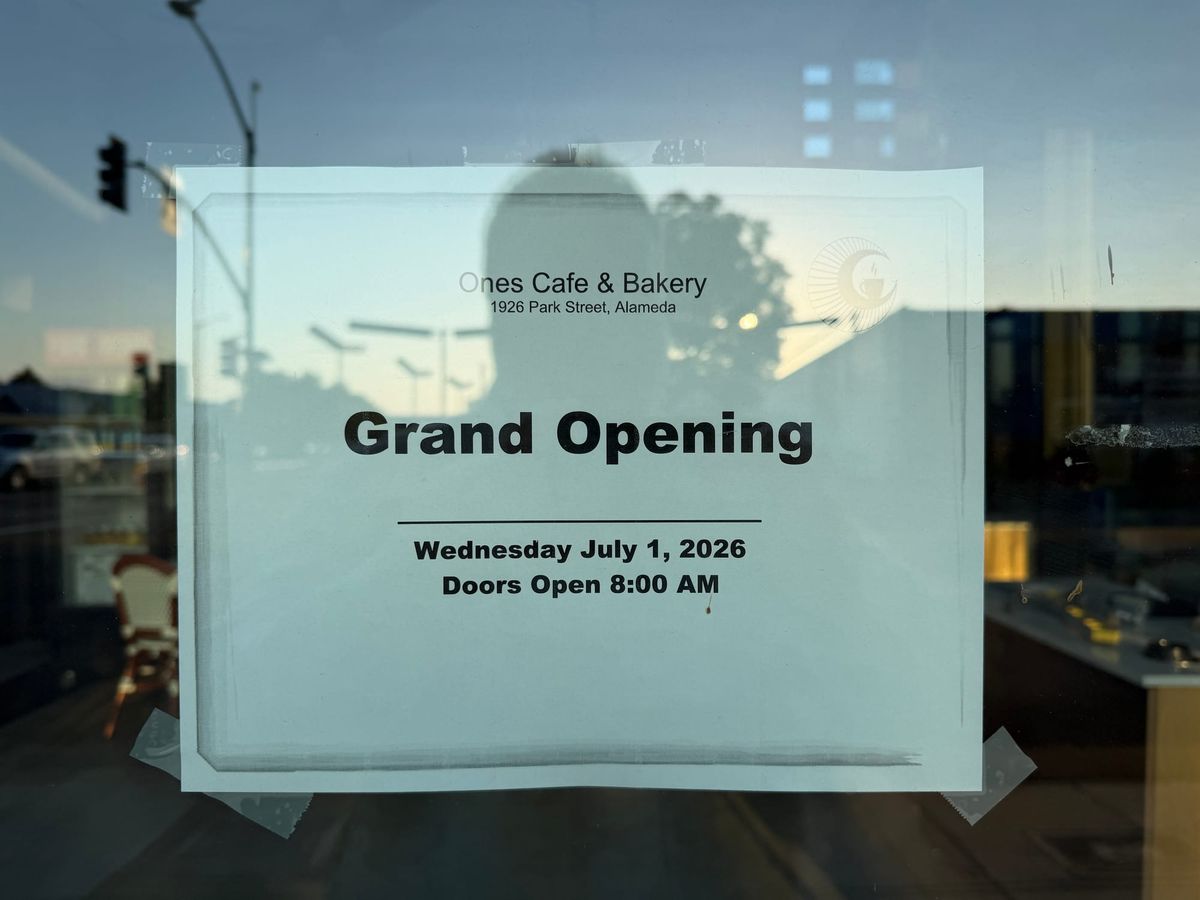
It's July 1, so it's time for me to call my mom and wish her a happy birthday; it's time for those who mark the start of a new fiscal year to begin anew; and for the coffee shop at the top of Alameda's Park Street, it's finally the day to hopefully reopen to customers.
On the upside, Ones Cafe & Bakery plans to begin serving customers at 1926 Park Street starting at 8 a.m. today.
On the downside, when this blog wrote in January that "The owner of Coffee Cultures has sold the business and a new cafe will take its place tomorrow" that reopening estimate was off by 6 months. What was originally planned as a 2-week switchover instead stretched on almost indefinitely, out of proportion to the refresh of the space envisioned by the new owners (more on their specific changes in a minute). The cause of all these delays: permits.
Hold a minute. This isn't an Ezra Klein podcast, and this isn't a blog post that will read "permits bad; Abundance™️ good!" Instead the point of this blog post is to gesture toward ways that the City of Alameda may be able to help local business owners and residents more efficiently navigate permitting processes, not just from the city itself but also from overlaid administrative bodies.
Environmental health
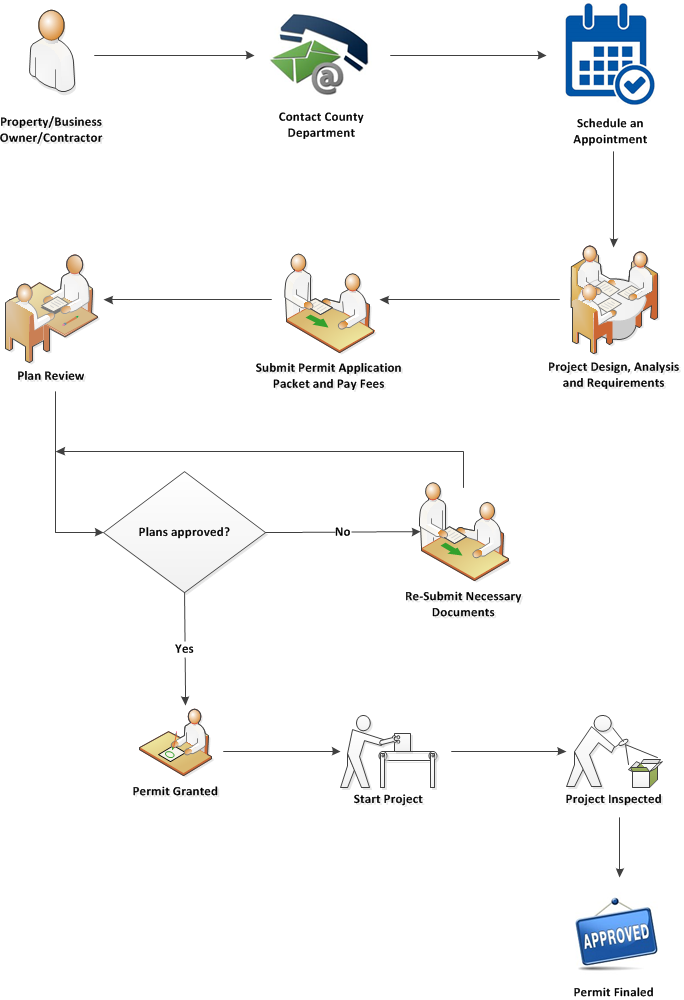
The city permitting process for the coffee shop transition was straightforward: a matter of paperwork and fees to permit new exterior signage and a few targeted changes within the interior, from what I'm told. (We know how to deal with those bozos is not quite an exact quote used to describe city planning and permitting staff but perhaps conveys the sentiments of one of my interlocutors.)
In contrast, what apparently stretched out over multiple months was the involvement of the Alameda County Department of Environmental Health. The space was already operating successfully as a fully permitted food service business, and yet changing the ownership reopened the permitting process... replacing the pastry case with a larger pastry case raised questions... next the mop sink in the utility room raised questions... and the new owners could not perform construction until having full plan-check approval in hand:
- When I first heard about this, I had thought it involved a refrigerated case or more advanced food preparation facilities. Nope, it was apparently just about a glass case covering pastries and bread products at room temperature.
- For the mop sink, it had been inspected and permitted by county inspectors when the building originally opened with a coffee shop some years ago. In the meantime, the requirements had changed. Therefore, the previously installed penny tile had to be removed and replaced with more continuous tile (to reduce the odds of mold growing).
The construction to ultimately make those two changes appeared to be quite quick. A week of contractors cutting and rearranging counters to support the new pastry case, and two half-days of a single contractor re-tiling the mop sink.
I'm sharing stories rather than working off documents, as this blog does most often. I may be misrepresenting details. Still, this seems to be an example of a small project being significantly delayed by process and communication delays.
"Permit concierges"
Were these delays the fault of the City of Alameda? No. But the city would do well to consider how to potentially use its staff and resources to proactively reduce these sorts of delays and burdens for local businesses.
Here's one reason why: A former barista from Coffee Cultures stopped by the complex and said hello earlier in the week. She had planned on working for the new cafe, after the 2 week closure. But once the delays dragged on, she found a new job elsewhere. That's a job lost in Alameda.
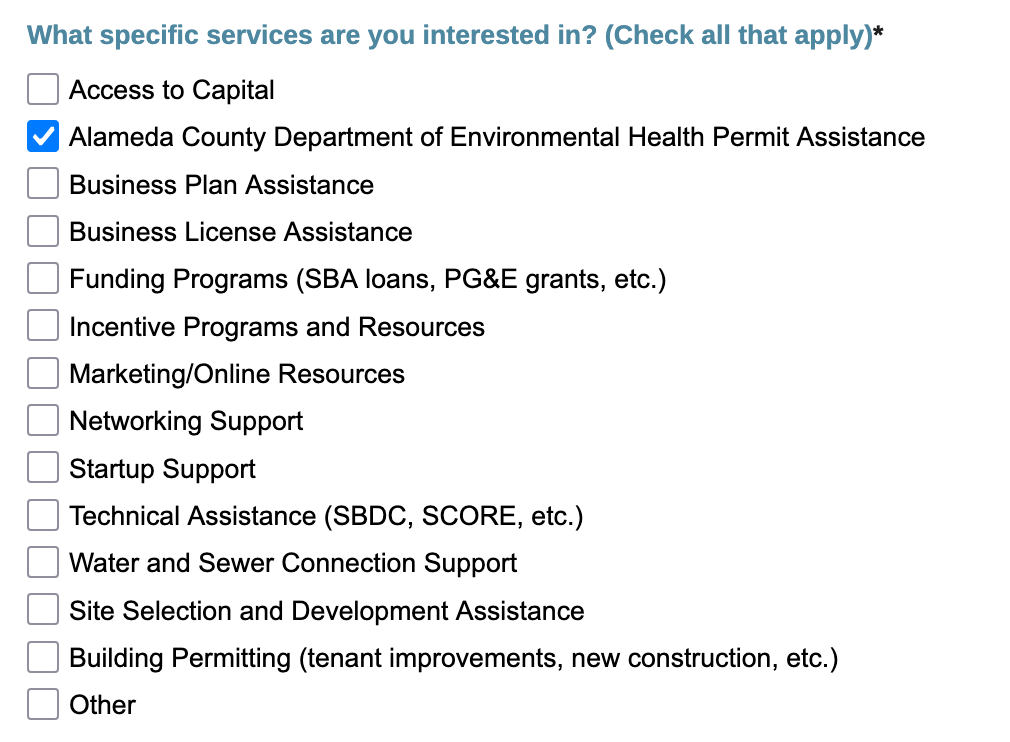
Here's another reason why: If instead of evaluating Alameda, business owners visit Dublin, they'll be greeted by a "Business Concierge" program. Among the options on their intake form for interested business-owners is requesting assistance with county environmental health permits:
In contrast, while City of Alameda does have a somewhat hidden webpage about the Alameda At Your Service program that "helps projects to move through the permit process quickly if they enhance the City's economic base," that program does not appear — at least from the outside — to help Alameda businesses navigate cross-jurisdictional issues.
In hindsight, what this project probably needed was someone with a bit of power to have written a short email to a middle manager at the county environmental health department. Not to demand a permit approval. Rather, to flag how drawn out this process was becoming. To request, on behalf of the business owner, a full status update and a single list of needed changes.
If City of Alameda staff were given time and resources to facilitate lagging permits on behalf of local businesses, they could have perhaps just batched it up with others and drafted a nastygram to be sent under the signature of the planning director or the city manager. Or they could round-robin it and have a different member of City Council sign the request letter each time there is another batch to send out. Or this type of permit wrangling could also be done in collaboration with Downtown Alameda Business Association and West Alameda Business Association.
More permits, of all kinds
Forget it, Jake. It's Chinatown... where if a business can't navigate a permit process or know who to call for a favor when it stalls, then maybe they aren't ready to do business here. Perhaps there are other established cafe owners around Alameda reading this blog post and thinking something along those lines. And I can definitely appreciate in my own unrelated line of work how critical it is to build up relationships and tacit knowledge in a niche. But in this case, Ones Bakery & Cafe already had an existing cafe. This wasn't this team's first time opening this sort of business.
Here's where I do fully agree with the Abunda-bros: Alameda would do well to have a strategic target of issuing and facilitating more permits. More retail businesses. More research and development facilities. More residential remodels. More accessory dwelling units. More lot-splits and more condo'izations. More home daycares and after-school programs. More rebuilds of Alameda Point's vacant structures. Each of those efforts requires permits. Sometimes many. Almost always from City of Alameda, often from Alameda County Department of Environmental Health, sometimes from the other patchwork of administrative agencies like the Bay Conservation and Development Commission.
Where I'll diverge from Ezra Klein and Co. is in not picking fights against the substance of each of these permitting processes and the relevant authorities. Many of these subtopics may genuinely deserve reform, but the nature of each will be different. This isn't a blog post against health inspections of coffee shops. It's simply a blog post for more efficient health inspections of coffee shops that are, if necessary, sped along with the involvement of other local actors in Alameda.
Similar challenges are playing out across "historic" residences in Alameda, where owners must navigate multiple city bodies to permit changes, some with discretionary approvals.
In downtown Alameda and at Alameda Point, upgrading one single aspect of an aging building may suddenly also trigger cascading remodeling and permitting to meet Americans with Disabilities Act requirements, which can then loop back to a "historic" building review in some cases.
I keep being told more and more of these sorts of stories by business owners, landlords, and residents. Unfortunately my time to write is outpaced by the number of topics I'd love to cover. But also some of those types of projects are just so intricate to understand and to then explain. I thought I'd use this occasion and this story to make the point. Coffee shops feel understandable.
Now that Alameda's new permanent City Manager is entering his second day (and second fiscal year) in the role and as he probably prepares to fill Alameda's vacant Planning department director role, let me recommend this goal: more permits. Give city staff a mandate and the resources to out "concierge" any other Bay Area city for small and medium sized business permitting. (In terms of residential concierge permitting, there's no competing with the Town of Atherton.) Continue to politely decline some Planning Board member's proposals to cut permit fees (as a means to try to unlock some stalled multi-family development projects) and instead focus on reforms to "historical" requirements, setbacks, and other aspects of the zoning code that turn small permit processes into huge permit processes with discretionary steps that can thwack a project back through the entire process again, like a pinball machine. Big projects may only "pencil out" when interest rates and Trump's war/VICTORY/war/truce/war/war/war work out. But the residents and business owners who tell me stories of their small and medium sized projects around Alameda (the misinterpretations and errors in the retelling of which are fully my own), aren't waiting on macroeconomics... they're just pausing on permits.